About This Webinar Series

Discover how artificial intelligence is reshaping education by creating personalized learning experiences for every skill and every learner.

🌍 The Vision Behind AI for Learning 2026

AI-driven learning has the potential to personalize education, accelerate skill acquisition, and enhance learner engagement. Traditional classroom models serve many students well, but they often struggle to address the diverse needs, paces, and goals of individual learners. AI tutoring systems offer a complementary approach by adapting in real time to how each person absorbs and processes new information, creating a feedback loop that mirrors the relationship between a dedicated human tutor and their student.

This webinar explains how adaptive assessments, interactive lessons, progress tracking, and AI tools can support skill development across multiple disciplines. From language acquisition and software development to musical composition and visual design, the principles of personalized AI tutoring extend across nearly every domain where structured practice leads to measurable improvement. Researchers have found that learners who receive tailored feedback and appropriately challenging material tend to maintain higher motivation and achieve stronger outcomes over time.

Our sessions focus on the science behind these systems, drawing from published research in cognitive psychology, educational technology, and computer science. Participants will engage with case studies that illustrate both successes and limitations of current AI tools, gaining a balanced perspective grounded in evidence rather than speculation. The goal is to equip every attendee with a clear understanding of what AI tutoring can realistically accomplish today and where the field is heading.

This project does not promote commercial services or products. Every piece of content presented during the webinar draws from peer-reviewed sources and independently verified demonstrations.
Diverse group of learners using AI-powered adaptive learning platform on various devices showing personalized skill development dashboards

Key Themes

  • Adaptive assessments that respond to individual knowledge levels
  • Interactive explanations and scaffolded learning experiences
  • Progress tracking with skill mastery analytics
  • Cross-discipline applications: languages, coding, music, visual arts
  • Evidence-based methodology from leading academic journals

🧠 Why AI Tutoring Matters

Understanding the research-backed advantages of personalized learning powered by intelligent systems

Personalized Pacing

Every learner processes new material at a different speed. AI tutoring systems detect when someone masters a concept quickly and moves them forward, while providing additional practice and alternative explanations for topics that require more time. This approach reduces both boredom from overly simple tasks and frustration from material that advances too rapidly. Research published in Computers & Education has shown that personalized pacing improves retention rates and reduces dropout in online learning environments by keeping content consistently aligned with learner readiness.

Immediate Feedback

One of the strongest predictors of effective learning is the speed at which a learner receives feedback on their performance. AI systems can provide corrective guidance within seconds, pointing out specific errors and offering targeted suggestions. Unlike waiting days for a graded assignment, real-time feedback allows learners to correct misunderstandings before they solidify into habits. Studies in the International Journal of Artificial Intelligence in Education demonstrate that immediate, specific feedback significantly accelerates skill acquisition across both academic and practical domains.

Accessible Education

Geography, schedule conflicts, and financial constraints often prevent people from accessing quality instruction. AI-powered tutoring runs on devices most people already own, operates around the clock, and can scale to serve millions of simultaneous learners without degrading in quality. This makes personalized education accessible to working professionals fitting study into evenings, students in rural areas without nearby specialists, and lifelong learners pursuing new interests. Research from Frontiers in Psychology highlights how technology-mediated tutoring can bridge educational equity gaps.

Data-Driven Insights

AI systems collect detailed learning analytics that reveal patterns invisible to both learners and instructors. These insights include which topics take the longest to master, which types of questions cause the most errors, and how performance shifts across sessions. Learners gain self-awareness about their habits, while educators can use aggregated (anonymized) data to improve course design. Educational Technology Research & Development has published multiple studies showing that data-informed instruction leads to measurable improvements in both teaching effectiveness and student achievement.

Spaced Repetition

Forgetting is a natural part of the learning process, but AI systems combat it effectively through spaced repetition algorithms. By scheduling review sessions at optimal intervals based on each learner's demonstrated retention curve, these tools help move information from short-term to long-term memory with minimal time investment. This technique, rooted in decades of cognitive psychology research, is especially powerful for vocabulary building in language learning and memorizing foundational concepts in coding, music theory, and other structured disciplines.

Motivation and Engagement

Keeping learners engaged over weeks and months remains one of the greatest challenges in education. AI tutoring addresses this through adaptive difficulty, meaningful progress visualization, and contextually relevant practice tasks. When learners feel challenged but not overwhelmed, and when they can see clear evidence of their growth, they are far more likely to persist. Research across learning sciences consistently identifies perceived progress and competence as among the strongest motivational drivers for sustained study habits.

🎯 Disciplines Explored in the Webinar

AI-assisted tutoring spans far beyond a single subject area. Here are the domains covered during our sessions.

Languages

AI pronunciation analysis, contextual vocabulary drills, and grammar correction systems that adapt to native language interference patterns. The webinar examines how natural language processing models assess spoken and written output to provide feedback similar to a trained language instructor, adjusting complexity based on proficiency level and learning goals. Participants will see demonstrations of adaptive dialogue practice and spaced repetition for vocabulary retention across several language pairs.

AI language learning interface showing pronunciation feedback and vocabulary progress for multilingual learners

Programming

Intelligent code review, step-by-step debugging assistance, and personalized challenge sequences for beginner through advanced developers. AI tutors in programming can analyze submitted code, identify logical errors, suggest optimizations, and explain concepts in multiple ways until the learner grasps the underlying principle. The webinar reviews how these systems handle different programming languages and adapt to varied skill levels from first-time coders to experienced developers learning new frameworks.

AI coding tutor displaying personalized programming exercises with real-time debugging feedback

Music

Pitch detection, rhythm training, and theory instruction that adjusts to each musician's instrument, genre preference, and current skill level. AI music tutors listen to performances in real time, identifying timing errors, intonation issues, and technique problems that a learner might not notice on their own. The webinar explores how these tools complement traditional instruction by providing unlimited patient practice sessions and detailed performance analytics across piano, guitar, voice, and other instruments.

AI music tutor interface showing pitch detection rhythm analysis and personalized practice recommendations

Visual Arts

Composition analysis, color theory guidance, and technique feedback for drawing, painting, and digital design. AI systems in the visual arts domain can analyze artwork structure, proportion, contrast, and style consistency, offering suggestions that help artists develop their technical foundation while preserving creative expression. The webinar examines how computer vision and generative models provide constructive critique without replacing the deeply personal nature of artistic development and self-expression.

AI visual arts tutor analyzing digital painting with composition and color theory feedback overlay
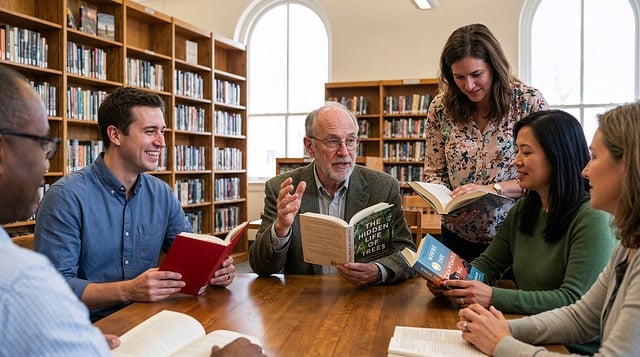
Diverse audience of educators researchers students and technology professionals attending an online educational webinar

👥 Who Should Attend

This webinar series is designed for anyone curious about the intersection of artificial intelligence and education. Whether you teach, study, design learning experiences, or simply want to understand how technology is changing the way people develop new skills, you will find relevant and actionable insights in these sessions.

Educators and Instructors

Teachers, professors, and trainers seeking to understand how AI tools can supplement their classroom and online instruction while preserving the human elements of mentorship and guidance.

Researchers and Academics

Scholars in educational technology, cognitive science, and AI who want to explore the latest findings on adaptive learning systems and discuss methodological approaches with peers.

Lifelong Learners

Anyone actively developing skills in languages, coding, music, arts, or other fields who wants to understand how AI-powered tools can make their practice sessions more effective and efficient.

Learning Experience Designers

Instructional designers and curriculum developers interested in incorporating adaptive technologies into their programs with a solid understanding of the underlying research and practical limitations.

📋 Webinar Format

Two focused sessions designed for clarity, depth, and interaction

Online Format

Both sessions are conducted entirely online, allowing participants from any location to join. All you need is a stable internet connection and a device with a web browser. No special software installation is required.

60-75 Minutes

Each session runs between 60 and 75 minutes, including the presentation, demonstrations, and a dedicated question-and-answer segment. This length keeps content focused and respects participants' time commitments.

Recording Available

Both sessions will be recorded. Registered participants who cannot attend live will receive access to the recordings, ensuring no one misses the content regardless of their schedule or time zone differences.

Educational Disclaimer

The webinar is provided for educational purposes only. The invited expert participates as a guest contributor. All materials are intended for general knowledge and do not constitute professional or financial advice. This project does not promote commercial services or products.